The difference: stitched seams join fabric with thread (creating needle holes), bonded seams glue panels with adhesive (no holes, flat profile), and heat-sealed/welded seams fuse panels with heat and pressure (no thread, fully waterproof). Stitched is strongest for high-stress areas but needs taping to be waterproof; bonded and welded eliminate needle holes for clean, water-tight, low-bulk construction.
Seam type decides whether a “waterproof” jacket actually keeps water out and how the garment looks and feels. As a factory running tape machines, bonding, and flat-stitch lines, we choose seam construction by where it sits on the garment. Here’s the breakdown. (For the waterproofing-specific seam topic, see fully taped vs critically taped seams.)
Seam Types in One Sentence
Seams join panels three ways — sewn with thread (stitched), glued with adhesive (bonded), or fused with heat (welded) — trading strength, waterproofing, and clean appearance.
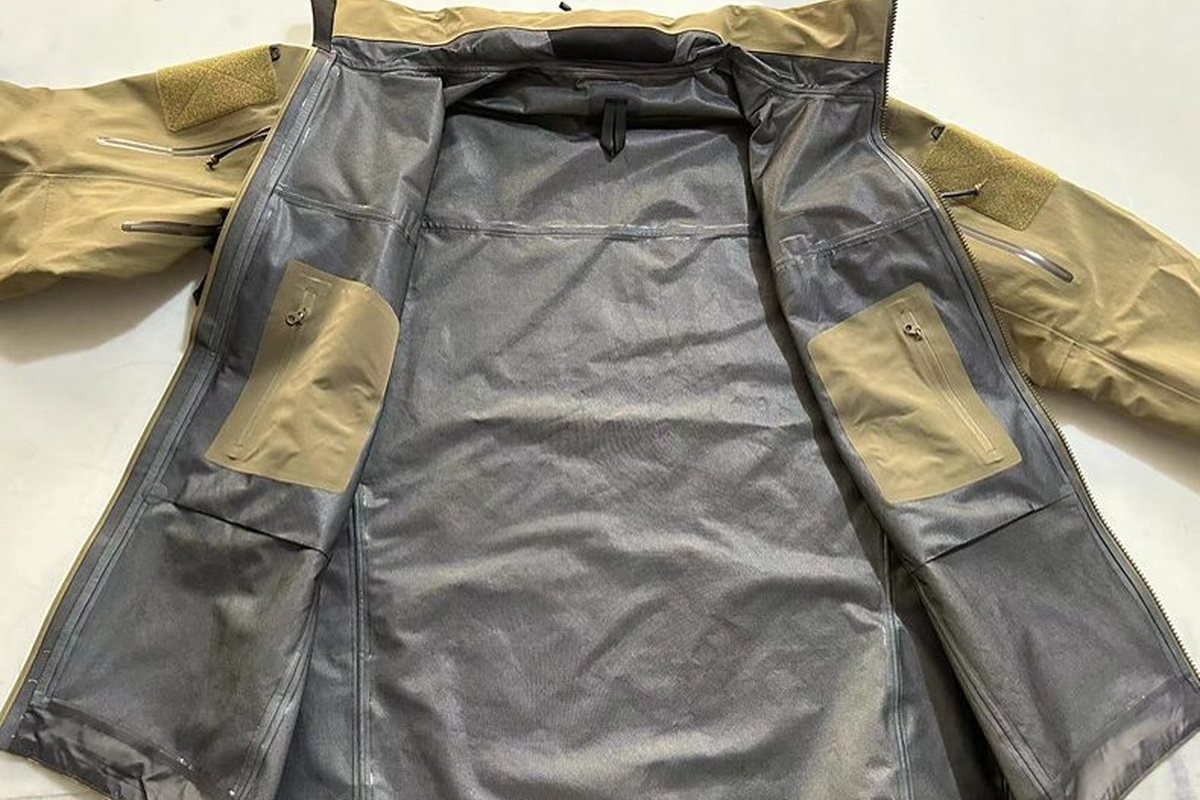
Stitched Seams
The traditional method: a needle and thread join panels. Strong and repairable, but every stitch punctures the fabric, so a waterproof garment needs seam tape applied over stitched seams to block leaks.
- ✅ Strongest for high-stress zones (shoulders, crotch)
- ✅ Repairable, universal
- ❌ Needle holes leak without taping
- ❌ Visible seam allowance, more bulk
Bonded Seams
Panels are joined with a heat-activated adhesive film instead of thread — no needle holes, a flat low-profile join.
- ✅ No needle holes — inherently more water-resistant
- ✅ Flat, clean, chafe-free (good against skin)
- ✅ Modern, premium appearance
- ❌ Lower peel strength than stitching in high-stress areas
- ❌ Requires precise process control
Heat-Sealed / Welded Seams
Panels are fused directly with heat and pressure (RF or ultrasonic welding), melting the materials together — no thread, no adhesive, fully waterproof.
- ✅ Fully waterproof seam (no holes at all)
- ✅ Cleanest appearance, lowest bulk
- ✅ Ideal for rainwear, drysuits, technical shells
- ❌ Only works on weldable (coated/synthetic) fabrics
- ❌ Higher equipment and process cost
Side-by-Side Comparison
| Property | Stitched | Bonded | Welded/Heat-sealed |
|---|---|---|---|
| Needle holes | Yes | No | No |
| Waterproof alone | No (needs tape) | Water-resistant | Fully waterproof |
| Strength (high stress) | Highest | Moderate | High |
| Appearance | Traditional | Clean/flat | Cleanest |
| Bulk | Highest | Low | Lowest |
| Fabric compatibility | All | Most | Weldable only |
| Cost | $ | $$ | $$$ |
How They Combine in Real Jackets
Most technical jackets mix methods: stitched-and-taped seams in high-stress structural areas, with bonded or welded seams where waterproofing and clean lines matter most. A fully welded shell is reserved for maximum-waterproof products like rainwear and drysuits. Pair seam choice with waterproof zippers — a welded seam next to a leaky zipper wastes the construction.
Specifying Seams as a B2B Buyer
Define seam type by zone: e.g., “stitched + fully taped main seams, bonded hems, welded pocket entries.” Match seam waterproofing to the garment’s rating (see the hardshell buyer’s guide) — a high mm rating with only stitched, untaped seams will leak.
Frequently Asked Questions
Are heat-sealed seams waterproof?
Yes — heat-sealed (welded) seams fuse the panels together with no needle holes and no thread, creating a fully waterproof join. They’re used in rainwear, drysuits, and technical shells where seam leakage can’t be tolerated. They only work on weldable coated or synthetic fabrics.
What’s the difference between bonded and stitched seams?
Stitched seams use thread, creating strong but puncture-prone joins that need taping to be waterproof. Bonded seams use heat-activated adhesive instead of thread — no needle holes, a flat low-profile join that’s more water-resistant and comfortable against skin, but with lower peel strength in high-stress areas.
Do welded seams need seam tape?
No. Welded seams are inherently waterproof because the panels are fused with no holes, so no seam tape is required. Taping is needed for stitched seams, where it covers the needle-hole leakage path.
What MOQ is needed for custom jackets with sealed seams?
At PTOUTWEAR, custom jackets with taped, bonded, or welded seams start at a 30-piece MOQ with 1-piece sampling, so you can inspect the seam construction on a real sample before production.
Build Watertight Seams With the Right Process
Seam construction decides whether a waterproof rating is real and how clean the garment looks — and the best jackets mix methods by zone. At PTOUTWEAR we run tape, bonding, and flat-stitch lines for custom hardshell jackets from 30-piece MOQ with 1-piece sampling. Our OEM manufacturing team can spec the right seam type for each part of your garment.