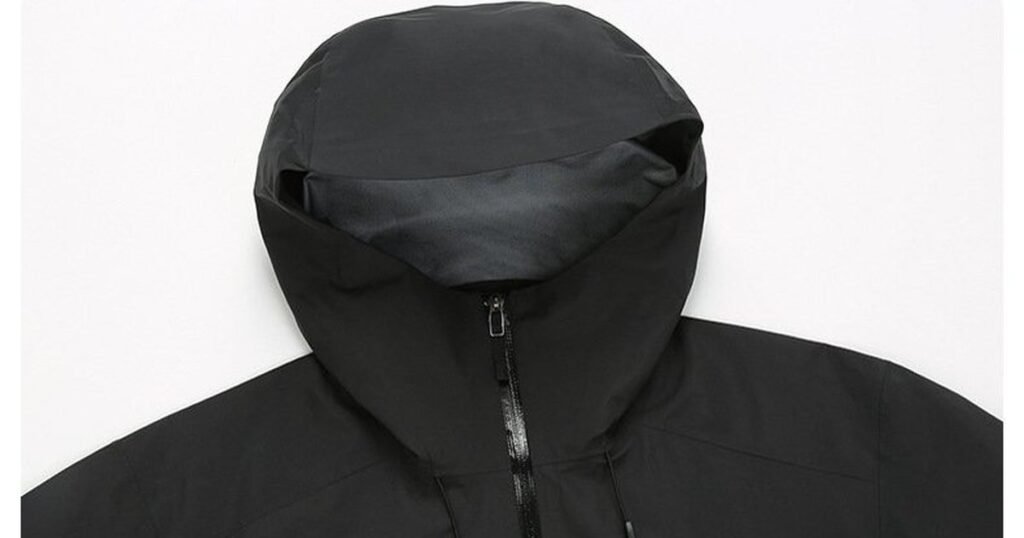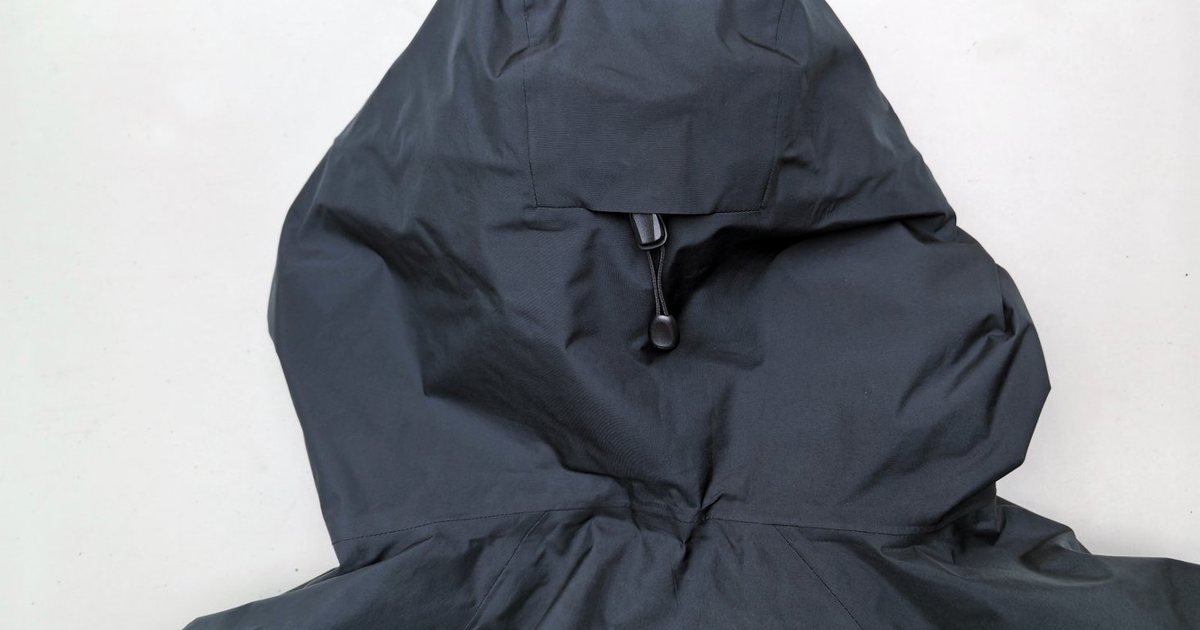
The trade-off: down offers the best warmth-to-weight and packability but loses most of its insulation when wet and costs more, while synthetic insulation stays warm when wet, dries faster, costs less, and is animal-free — but is heavier and bulkier for the same warmth. For dry-cold conditions and weight-critical use, down wins; for wet-cold, budget, or ethical programs, synthetic wins.
This is one of the most common decisions in an insulated-jacket brief. As a factory that sews both, we steer buyers by climate, price point, and positioning — not by which is “better.” Here’s the full breakdown. (For the synthetic brands, see PrimaLoft vs Thinsulate vs Coreloft.)
Down vs Synthetic in One Sentence
Down is lighter and packs smaller but fails when wet; synthetic is heavier but keeps insulating when damp and costs less — climate and budget decide the winner.
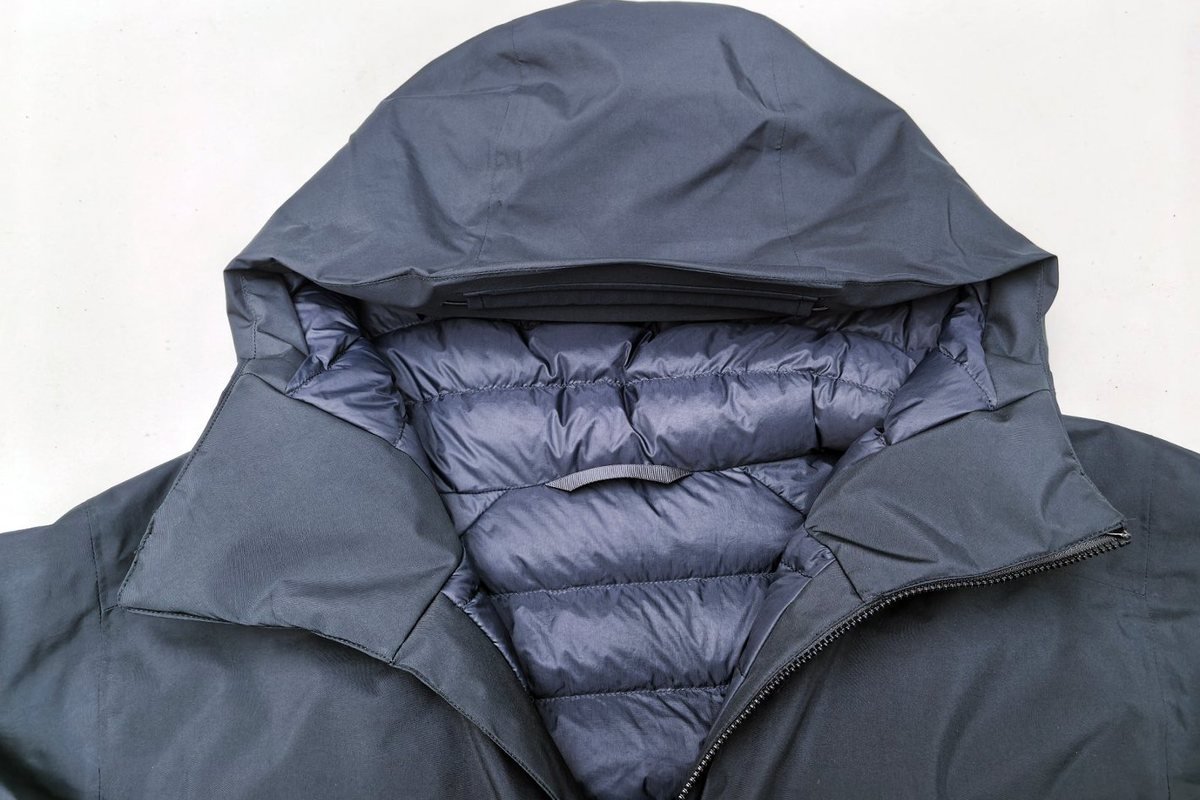
Where Down Wins
- ✅ Best warmth-to-weight — nothing beats high fill power down for warmth per gram
- ✅ Most packable — compresses smaller than any synthetic
- ✅ Longevity — quality down lasts longer if kept dry
- ✅ Premium positioning — “down” carries perceived value
Where Synthetic Wins
- ✅ Wet performance — retains ~80–90% warmth when damp; down collapses
- ✅ Faster drying
- ✅ Lower cost
- ✅ Animal-free — no RDS sourcing needed
- ✅ Hypoallergenic — better for sensitive customers
Side-by-Side Comparison
| Property | Down | Synthetic |
|---|---|---|
| Warmth-to-weight | Best | Good |
| Packability | Best | Moderate |
| Wet warmth | Poor | Excellent |
| Dry time | Slow | Fast |
| Cost | Higher | Lower |
| Durability (dry) | Excellent | Good |
| Care | Delicate | Easy (machine wash) |
| Ethics | Needs RDS | Animal-free |
| Best climate | Dry cold | Wet cold |
The Hybrid Option
Many modern jackets map both: down in the dry core (chest, back) and synthetic in moisture-prone zones (cuffs, hood, underarms). This captures down’s warmth-to-weight where it stays dry and synthetic’s wet resilience where sweat and rain collect. It’s a strong premium-line strategy.
Which Should You Spec?
| If your market / use is… | Spec… |
|---|---|
| Dry, cold climates | Down |
| Wet, rainy climates (UK, PNW) | Synthetic |
| Ultralight / packable line | Down |
| Budget insulated jacket | Synthetic |
| Animal-free / vegan positioning | Synthetic |
| Premium all-conditions | Hybrid |
For dropship and small-batch lines, synthetic is often the safer default — it’s cheaper, machine-washable, and forgiving of customer misuse, with no RDS paperwork. Down makes sense for premium, weight-focused, or cold-dry-market positioning. See fleece vs down for the broader insulation-layer view.
Specifying as a B2B Buyer
For down: fill power, fill weight, down/feather ratio, RDS, hydrophobic treatment. For synthetic: brand/tier (e.g., PrimaLoft Gold), fill weight in g/m², recycled content if needed. State the target climate in the brief — it’s the single fact that should drive the choice.
Frequently Asked Questions
Is down or synthetic insulation warmer?
Down is warmer per unit of weight in dry conditions — nothing beats high-fill-power down for warmth-to-weight. But synthetic stays warmer when wet, so in damp or high-sweat conditions synthetic often delivers more usable warmth. Climate decides the practical winner.
Why does down fail when wet?
Down insulates by trapping air in lofted clusters. When wet, those clusters collapse and clump, losing the air pockets and most of the insulation. Synthetic fibers hold their structure when damp, which is why they keep insulating in the wet.
Is synthetic insulation cheaper than down?
Yes. Synthetic insulation generally costs less than quality down, is machine-washable, and needs no RDS chain-of-custody documentation. That makes it the common default for budget, wet-climate, and animal-free jacket programs.
What MOQ is needed for custom insulated jackets?
At PTOUTWEAR, both down and synthetic insulated jackets start at a 30-piece MOQ with 1-piece sampling, so you can compare warmth, weight, and packability on real samples before scaling.
Spec the Right Insulation for Your Climate
Down vs synthetic isn’t about which is better — it’s about matching warmth-to-weight against wet performance for your market. At PTOUTWEAR we sew down, synthetic, and hybrid-mapped custom insulated jackets from 30-piece MOQ with 1-piece sampling. Our OEM manufacturing team can recommend the right fill for your climate, budget, and positioning.