📋 Table of Contents
- Executive Summary
- What Is Pertex Fabric?
- How Pertex Differs From Standard Nylon or Polyester
- Choosing the Right Pertex Fabric for Your Jacket: Quantum, Shield, Air
- Manufacturing Considerations for Brands Using Pertex
- Cost-Positioning and Margin Implications
- Compliance and Certifications for Outdoor Apparel Buyers
- Key Takeaways
- FAQ
If you’re sourcing technical outerwear for your outdoor brand, understanding what is Pertex fabric can mean the difference between a jacket that sells through and one that sits in inventory. At PTOUTWEAR, our OEM jacket manufacturing service starts with 1-piece samples so you can validate fabric performance before committing to bulk.
Executive Summary
- Outdoor Apparel Market Size: $16.2 billion in 2024, according to Grand View Research.
- Waterproof Breathable Textiles: $2.0 billion in 2024 (Grand View Research), driven by demand for Pertex Shield and similar membranes.
- Recycled Polyester Adoption: 13.6% of total polyester production in 2023, per Textile Exchange, and many Pertex fabrics are now available with recycled content.
- Performance Apparel: $216 billion in 2024 (Statista), indicating strong demand for technical fabrics like Pertex.
- Sample MOQ: 1 piece; Bulk MOQ: 30 pieces per SKU for small-batch production.
What Is Pertex Fabric?
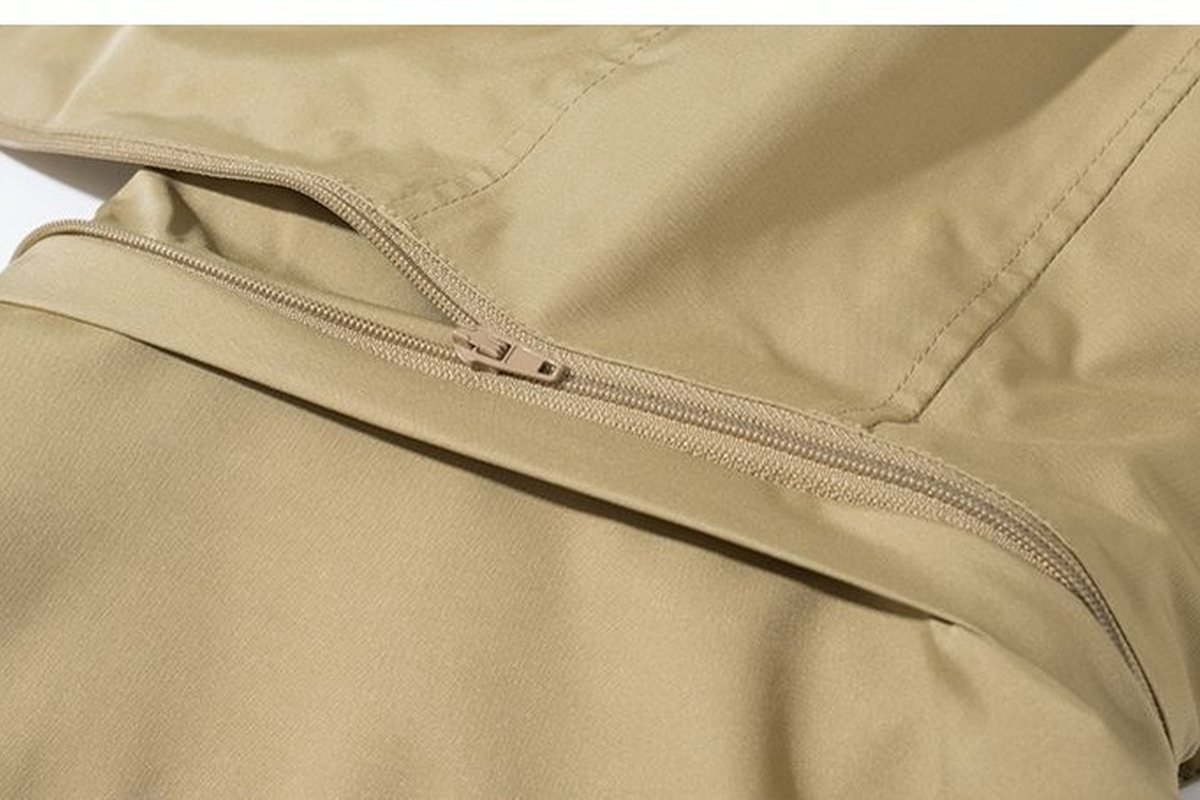
Pertex is a family of high-performance, lightweight nylon and polyester fabrics engineered for outdoor apparel, particularly in jackets, shells, and insulated garments. The brand is known for delivering exceptional wind resistance, breathability, and packability while keeping weight low. Pertex fabrics are not a single material but a range of constructions optimized for different weather conditions and use cases.
Material Composition
Pertex uses tightly woven nylon or polyester yarns, often with a DWR (Durable Water Repellent) finish. Some variants incorporate a microporous membrane or coating for full waterproofing. The base fabric is designed to be ultra-lightweight yet durable, with deniers as low as 7D in some Quantum constructions.
Waterproofing and Breathability
Not all Pertex fabrics are waterproof. The Pertex Shield line includes a membrane that provides a hydrostatic head up to 20,000 mm, making it fully waterproof and breathable. Other lines like Quantum and Air are water-resistant rather than waterproof, relying on tight weaves and DWR to shed light rain while allowing moisture vapor to escape.
Durability and Weight
Pertex fabrics are thin but tough. For example, Pertex Quantum Pro uses a diamond ripstop pattern for added tear resistance, weighing as little as 30 g/m². This makes it ideal for down jackets where every gram counts. Even the heavier Shield variants stay under 100 g/m², far lighter than many traditional hard shells.
How Pertex Differs From Standard Nylon or Polyester
Standard nylon and polyester fabrics lack the engineered weave structures and coatings that give Pertex its performance edge. The table below highlights critical differences that matter for outdoor jacket brands.
Weight and Packability Advantage
Pertex fabrics are often 30-50% lighter than generic nylon shells of equivalent durability. This translates to jackets that compress into a small stuff sack, a key selling point for backpacking and ultralight brands.
Breathability Without Membrane
Pertex Air achieves high air permeability (80+ CFM) without a membrane, using a specialized weave that allows moisture vapor to escape while still blocking wind. This makes it a top choice for running jackets and high-output layers.
Choosing the Right Pertex Fabric for Your Jacket: Quantum, Shield, Air
Each Pertex line targets a specific performance niche. The table below helps you match the fabric to your jacket’s intended use, then we’ll break down each line in detail.
Pertex Quantum
Quantum is the go-to for ultralight wind shells and down jackets. Its tight weave blocks wind and contains down feathers while allowing moisture vapor to escape. The Pro version adds a diamond ripstop grid for tear resistance. If your brand targets the fastpacking or ultralight hiking market, Quantum delivers the weight-to-warmth ratio that sells.
Pertex Shield
Shield is a full waterproof/breathable membrane system. It comes in 2, 2.5, and 3-layer constructions, with performance comparable to mid-range Gore-Tex but at a lower cost. The 3-layer version is durable enough for mountaineering shells, while the 2.5-layer is lighter and more packable. Shield jackets can retail from $150 to $350, offering strong margins.
Pertex Air
Air is a soft, stretchy fabric with exceptionally high air permeability. It’s not waterproof but dries fast and allows moisture vapor to escape rapidly. It’s ideal for high-output aerobic activities like trail running and cross-country skiing. The fabric’s soft hand feel also works well for lifestyle jackets with a technical edge.
Manufacturing Considerations for Brands Using Pertex
Shifting from a generic nylon shell to a Pertex fabric requires adjustments in production. The following subsections cover the key operational factors that impact your development timeline and unit cost.
MOQ and Sampling
Pertex fabrics are often sourced from a limited number of mills, and some colors may have minimum order quantities of 500-1,000 meters. However, as a vertically integrated manufacturer, we can aggregate demand across clients to meet these thresholds. Our low MOQ jacket manufacturing enables you to start with as few as 30 pieces per SKU. For sampling, we offer 1-piece sample development with a refundable $100 fee, so you can test fabric performance without overcommitting.
Sample MOQ: 1 piece. Bulk MOQ: 30 pieces per SKU. Sampling time: 7-10 days.
Seam Sealing and Bonding
Pertex Shield jackets require fully taped seams to remain waterproof. Our sample development process includes seam sealing calibration to ensure the tape bonds correctly with the membrane. For non-waterproof Quantum and Air jackets, we typically use enclosed seams or flatlock stitching to maintain comfort while reducing production cost. Incorrect seam sealing can lead to delamination, so we perform a 24-hour water-bath test on every Shield production batch.
Lead Time and Production Cadence
Once the fabric is available, lead times for bulk production range from 4 to 6 weeks, depending on order size and complexity. We run 20 production lines and can scale from a 30-unit pilot to a 500-unit purchase order without changing facilities. For US brands, we recommend planning a 12-week total timeline from fabric approval to delivery to account for mill sourcing, sample approval, and ocean freight.
Cost-Positioning and Margin Implications
Pertex fabrics cost roughly 1.5 to 3 times more than generic nylon or polyester shells, but the retail price premium can be 2-3×, yielding higher gross margins. The table below breaks down typical cost tiers for a small batch (30-100 units) compared to bulk (500+ units).
Sample Cost
We charge a flat $100 sample fee per style, which is refunded against your first bulk order. This fee covers pattern drafting, a single fabric iteration, and a tech pack. For brands testing multiple Pertex versions, we can produce up to three variant samples within a single $100 fee if they share the same base pattern.
Bulk Production Cost
At 30-unit MOQ, the per-unit cost is higher due to setup and fabric cutting inefficiencies. At 500 units, the cost falls by 30-40% because of optimized fabric yield and automated line setups. Even at small batches, the retail markup potential is strong: a Quantum wind shell that costs $30 to produce can retail at $120-150, yielding a 75% gross margin.
Value Differentiation
Using a well-known technical fabric like Pertex allows you to command a higher price point than a generic shell. For example, a Pertex Shield jacket with taped seams can be positioned as a Gore-Tex alternative at a $50-100 lower retail, appealing to budget-conscious alpine enthusiasts. This differentiation is especially valuable for direct-to-consumer brands that rely on product storytelling.
Compliance and Certifications for Outdoor Apparel Buyers
When sourcing Pertex jackets, compliance with international standards is critical for both legal import and brand credibility. The table below outlines the certifications that PTOUTWEAR holds or is obtaining, and what they cover.
OEKO-TEX 100
This certification ensures that every component of the jacket, from the Pertex shell to the zipper and thread, is free from harmful chemicals. For school uniform programs and corporate buyers, OEKO-TEX 100 is often a non-negotiable requirement. We are currently in the final audit phase and expect certification by Q3 2026.
BSCI
The Business Social Compliance Initiative audits factories on labor rights, working hours, and environmental management. BSCI is on our planned certification list for the 240-worker Taizhou Sanmen facility; we do not hold it today.
SGS
We subject Pertex fabric lots to SGS testing for tear strength, hydrostatic head, and colorfastness. This independent verification is crucial for brands that need to guarantee performance claims, such as 20,000 mm waterproof ratings, to their customers.
Key Takeaways
- The global outdoor apparel market reached $16.2 billion in 2024, according to Grand View Research, and technical fabrics like Pertex capture a growing share.
- The global waterproof breathable textiles market was valued at $2.0 billion in 2024, per Grand View Research, underscoring demand for membrane fabrics like Pertex Shield.
- Recycled polyester accounted for 13.6% of global polyester production in 2023, according to Textile Exchange, and many Pertex fabrics are now available with recycled content.
- The performance apparel market reached $216 billion in 2024 (Statista), indicating strong demand for technical outerwear that small brands can capitalize on.
- OEKO-TEX Standard 100 certification tests textiles against over 1,000 harmful substances, as required by the OEKO-TEX Association, and is essential for many institutional buyers.
FAQ
What is Pertex fabric made of?
Pertex fabrics are primarily made from tightly woven nylon or polyester yarns. Some variants, like Pertex Shield, incorporate a microporous polyurethane membrane for waterproofness, while others use a DWR coating. The yarns are often ultra-fine denier, allowing for lightweight, wind-resistant, and packable constructions.
Is Pertex fabric waterproof?
Only the Pertex Shield line is fully waterproof, with a hydrostatic head rating of up to 20,000 mm. Other Pertex fabrics like Quantum and Air are water-resistant due to tight weaves and DWR treatment, but they will eventually wet through in sustained rain. For a rain shell, Shield is the correct choice.
Is Pertex better than Gore-Tex?
Pertex Shield and Gore-Tex are both waterproof breathable membranes, but they target different price points. Pertex Shield offers comparable performance at a lower cost, making it ideal for brands that want a premium feel without the top-tier pricing. Gore-Tex typically has higher brand recognition, but Pertex Shield can be a strong value alternative.
What is the difference between Pertex Quantum and Pertex Shield?
Pertex Quantum is a lightweight, wind-resistant, and downproof fabric used in insulated jackets and wind shells. It is not waterproof. Pertex Shield is a fully waterproof and breathable membrane system designed for rain shells and hardshells. Quantum is much lighter (30-50 g/m²) and more packable, while Shield is heavier but provides complete weather protection.
Is Pertex fabric durable?
Yes, Pertex fabrics are designed for durability despite their light weight. Pertex Quantum Pro uses a diamond ripstop grid to resist tears, and Pertex Shield 3-layer constructions are built for alpine use. However, ultralight versions like 7D Quantum are more delicate and best suited for low-abrasion activities like backpacking under a shell.
Now that you know what is Pertex fabric and how to integrate it into your line, request 1-piece samples to test the fabric on your own designs.
Request 1-Piece Samples →