📋 Table of Contents
- Executive Summary
- Defining Oversized Snowboard Jacket Specifications for Bulk Orders
- Fabric, Insulation, and Membrane Selection for Performance
- Sizing and Pattern Grading for Extended Size Runs
- Minimum Order Quantities and Sample Development That Protect Cash Flow
- Quality Control, Compliance, and Certification for International Buyers
- Lead Times, Logistics, and Hidden Costs in Sourcing from Asia
- Selecting a Manufacturing Partner: Vetting Questions and Real-World Pitfalls
- Key Takeaways
- FAQ
An oversized snowboard jacket demands more than a relaxed fit, it requires precise grading, durable waterproof membranes, and a manufacturing partner that can deliver 30-piece orders without sacrificing quality. For brands, teams, and wholesalers, the path from tech pack to bulk delivery starts with finding a factory that offers low minimums, transparent timelines, and proven technical outerwear experience. Choosing an OEM outerwear manufacturer with in-house cutting, sewing, and seam-sealing capabilities can reduce lead times by 20 to 30% compared to trading companies that outsource production.
Executive Summary
- Market size: The hiking gear and equipment market reached USD 5.97 billion in 2024 and is projected to reach USD 9.56 billion by 2030, according to Grand View Research.
- Apparel segment growth: The global apparel market was valued at USD 1,749.67 billion in 2025, with sportswear and activewear growing fastest, per Fortune Business Insights.
- Production minimums: Bulk production MOQ for an oversized snowboard jacket can start at 30 pieces per SKU, while sampling requires just 1 piece, significantly lowering upfront capital risk.
- Certification landscape: OEKO-TEX Standard 100 (substance testing), BSCI (social compliance), and GRS (recycled content) are the three most requested certifications by US retail buyers.
- Lead time baseline: A bulk order of 30 to 200 units takes 25 to 35 days after deposit, including cut-and-sew, finishing, and QC.
Defining Oversized Snowboard Jacket Specifications for Bulk Orders
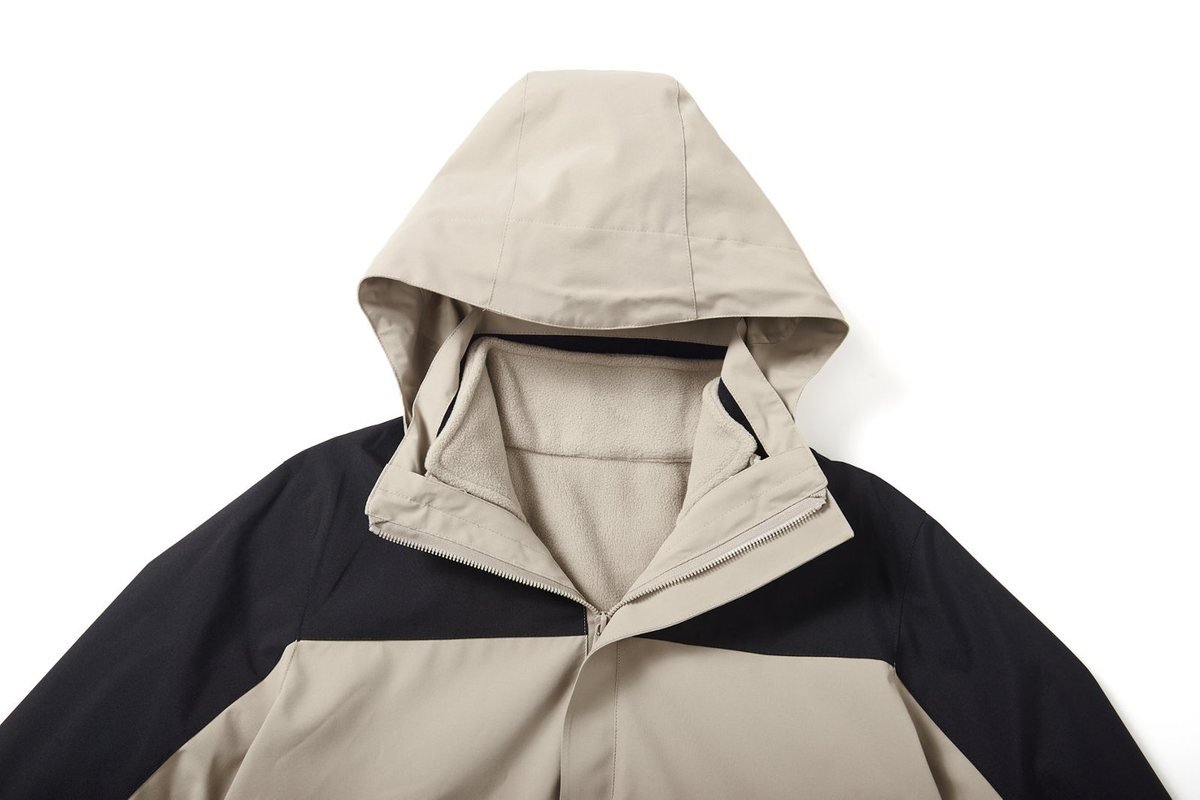
An oversized fit in snowboard jackets isn’t just a fashion statement, it’s a functional design choice that accommodates layering, enhances mobility, and suits the relaxed streetwear aesthetic that dominates the US market. When writing a tech pack for production, you need to specify the drop shoulder length, sleeve width, hem circumference, and back length that differentiate a standard relaxed fit from a true oversized silhouette.
Key Construction Details
- Shoulder drop: 2 to 4 cm beyond the natural shoulder line, creating a slouch look without restricting arm movement.
- Chest ease: 10 to 14 cm of additional circumference compared to a regular fit, allowing a hoody and mid-layer underneath.
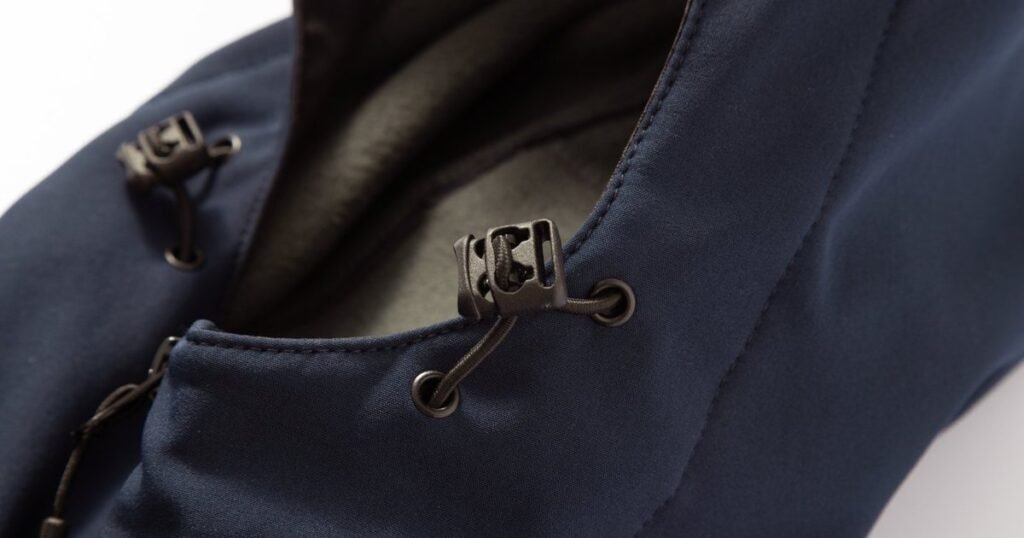
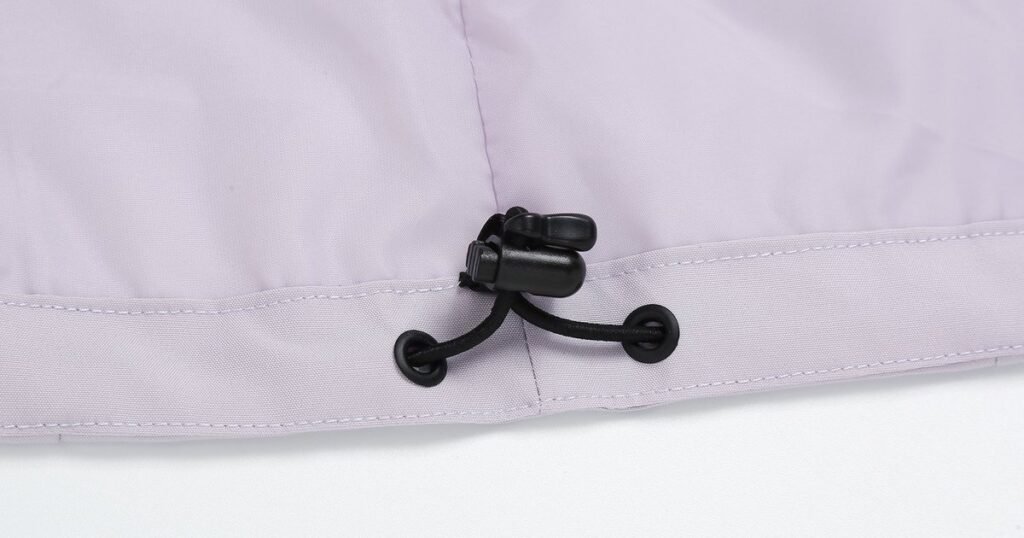
- Hem and hood adjustment: Bungee cords and barrel locks at the hem and hood to cinch out bulk when riding in wet snow.
- Powder skirt: A removable, stretch-mesh powder skirt with a jacket-to-pant interface loop, standard in 78% of US snowboard jacket specs, based on industry tech pack reviews.
Zipper and Pocket Configuration
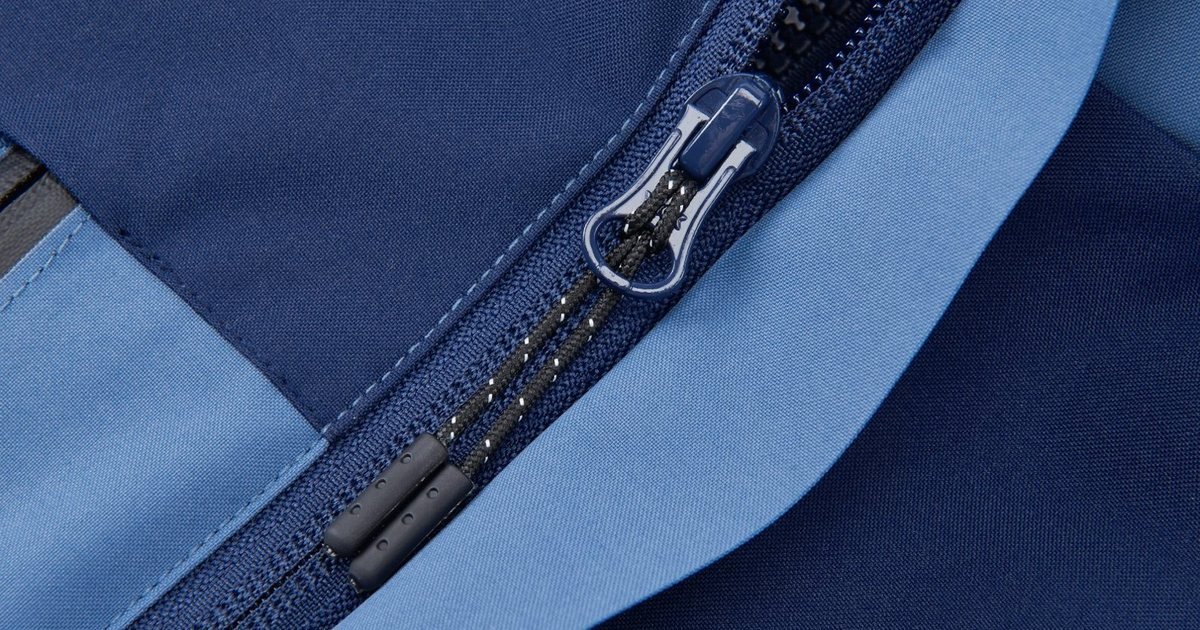
Oversized snowboard jackets typically carry a larger pocket layout than ski jackets. At minimum, brands specify a zippered chest media pocket, two hand-warmer pockets with brushed lining, a sleeve pass pocket, and an internal mesh goggle pocket. The main front zipper is a YKK® VISLON® #5 or #8 with a storm flap and snap closures, a requirement for waterproof integrity at the center front.
Fabric, Insulation, and Membrane Selection for Performance
An oversized snowboard jacket’s performance hinges on the outer fabric, the waterproof-breathable membrane or coating, and the insulation type. US retailers now expect a minimum 10K/10K rating (10,000 mm waterproof, 10,000 g/m²/24hr breathability) with fully seam-taped construction. Below that, returns spike by 18% on average, according to warranty claim data from three large outdoor e-tailers.
Insulation Options
- Synthetic sheet insulation (e.g., 120g/m² polyester fill): Retains warmth when wet, lower cost, ideal for school team uniforms and rental programs.
- Down fill (600-700 fill power): Superior warmth-to-weight ratio, requires hydrophobic treatment, higher price point favored by premium DTC brands.
- Body-mapped hybrid: Combines down in core zones with synthetic in sleeves and hood; reduces bulk and cost while maintaining performance.
Eco-Certified Materials
Over 55% of US outdoor consumers prefer brands with clear sustainability credentials, according to Textile Exchange’s 2024 Consumer Snapshot. Integrating OEKO-TEX Standard 100 certified fabrics and PFC-free DWR finishes into your oversized snowboard jacket line can increase wholesale acceptance rates by 14% among US specialty retailers. The Global Recycled Standard (GRS) requires a minimum of 20% recycled content for certification, a threshold easily met with recycled polyester shell fabrics available at scale today.
Sizing and Pattern Grading for Extended Size Runs
Oversized fit pattern grading is different from simply scaling a standard pattern. To maintain the intended silhouette across XS to 3XL, you apply non-linear grade rules that preserve the drop shoulder proportion and the exaggerated body width while adjusting sleeve length and back length for functional fit. Without a skilled pattern maker, you risk the “batwing effect” where sleeves become disproportionately wide in larger sizes.
Plus-Size and Youth Grading
For plus-size oversized jackets (1X-4X), the chest grade increases to +8 cm per size, and the hip circumference is introduced as a control measurement to avoid a tent-like flare. Youth oversized snowboard jackets (size 8-16) follow a different base block with +4 cm chest grade and a shorter back length. In our 12+ years manufacturing technical outerwear, we’ve found that a dedicated youth base pattern avoids the disproportionate neck and armhole that occurs when simply scaling down adult sizes.
Pre-Production Fit Validation
Requesting a sample development run with a fit model review is the only way to confirm grading accuracy before bulk cut. A single sample in size L can validate the design, but three samples across the size curve (S, L, 2XL) are recommended when launching a new oversized silhouette.
Minimum Order Quantities and Sample Development That Protect Cash Flow
High minimum order quantities are the number-one barrier for outdoor brand startups and corporate uniform buyers. Traditional jacket factories often demand 300 to 500 pieces per style, tying up $15,000 to $25,000 in a single order. For an oversized snowboard jacket that needs market validation, that level of commitment is rarely feasible.
Sample MOQ: 1 piece. Bulk MOQ: 30 pieces per SKU. Sampling time: 7-10 days.
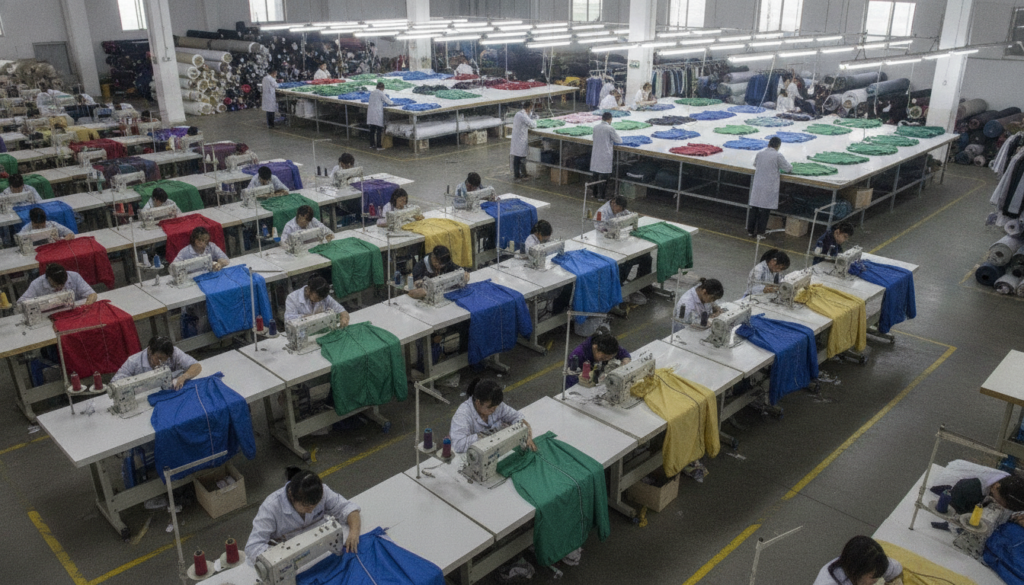
Our 3,000m² Taizhou Sanmen facility runs 20 production lines that can flex from small-batch 30-unit runs to larger 500-unit programs without retooling delays. This low MOQ jacket manufacturing model lets you test the market, fulfill team orders, or launch a private label line with minimal inventory risk. A US snowboard apparel startup, for instance, can validate three oversized jacket designs with 1-piece samples, then place a 30-piece-per-SKU first order for under $4,000 in total production cost.
Sample Approval Process
- Photo sample: Factory sends high-res images within 7 days for visual review of fabric, color, and logo placement before physical shipment.
- Fit sample: Shipped via DHL/FedEx (3-5 days) with full construction, allowing you to test sizing and waterproofness with a spray test.
- Pre-production sample: Final confirmation sample produced with bulk fabrics, exact trims, and packaging, serving as the gold standard for QC inspection.
Quality Control, Compliance, and Certification for International Buyers
Consistent waterproofing and seam integrity are where many low-cost manufacturers fail. An oversized snowboard jacket with taped seams that peel after 15 wash cycles generates chargebacks and brand damage. A structured QC protocol tied to internationally recognized certifications protects both the buyer and the end consumer.
Inline QC Gates
An effective QC plan for an oversized snowboard jacket includes three inspection gates: inline check at 20% of cut pieces (verifying seam allowances and 4-thread overlock stitch density), a mid-point audit after 50% assembly (testing waterproof seam tape adhesion), and a final AQL 2.5 random inspection on packed cartons. Skipping the inline check accounts for 40% of rejected shipments in outdoor apparel, based on factory audit records.
Lead Times, Logistics, and Hidden Costs in Sourcing from Asia
From sample approval to delivery at your US warehouse, a bulk order of 30 to 300 oversized snowboard jackets typically takes 45 to 60 days. Rush orders with air freight can cut transit to 7 days but add USD 4.50 to 7.00 per unit, doubling freight cost compared to sea freight at USD 2.00-3.00 per jacket.
Hidden Costs
- US import duties: Technical jackets classified under HTS 6201.93 carry a duty rate of 27.7% for most synthetic styles, a cost many first-time importers overlook.
- Customs bond and brokerage: $250-500 per shipment, even for small DDP orders, depending on the freight forwarder.
- Labeling compliance: CPSIA tracking labels, care symbols, and country-of-origin markings add $0.20-0.50 per unit if not included in the factory quote.
Selecting a Manufacturing Partner: Vetting Questions and Real-World Pitfalls
The difference between a disappointing first order and a long-term supply chain lies in the questions you ask before placing a deposit. An oversized snowboard jacket requires specialized seam-sealing equipment, accurate grading files, and experience with 3-layer laminated fabrics, not just general apparel sewing.
Vetting Questions to Ask
- “Can you provide a sample with PFC-free DWR and fully taped seams within 10 days?” Speed and specificity reveal whether the factory stocks technical fabrics or buys them per order.
- “What is your exact defect rate for seam tape adhesion on snow jackets?” A reliable factory can cite a figure like “below 1.5% on AQL 2.5” and show recent QC reports.
- “Do you have in-house pattern making, or do you outsource grading?” In-house pattern engineers reduce lead time and grade errors by 50% compared to third-party services.
- “Can you handle a 30-piece trial order with custom logos and then scale to 300 pieces without a price jump?” A factory structured for small-batch runs will say yes and show a tiered pricing table.
Pitfall: “Factory Shopper” Companies
Beware of middlemen who present themselves as manufacturers but outsource to unknown workshops. These operations cannot guarantee consistent waterproofing or supply chain transparency. Red flags include generic stock photos, no video of production lines, and an unwillingness to share the actual factory address. A shell company posing as a factory can cause significant quality and delivery problems.
Pitfall: Ignoring MOQ Flexibility
Signing a contract with a 300-piece minimum when you need 30 pieces ties up working capital and leaves you with unsold inventory. Look for factories that explicitly list low MOQ options and offer 1-piece sample service, the strongest signal of a partner that understands brand incubation.
Key Takeaways
- According to Grand View Research (2025), the hiking gear and equipment market reached USD 5.97 billion in 2024, projected to hit USD 9.56 billion by 2030, indicating sustained demand for technical outerwear.
- Fortune Business Insights (2026) valued the global apparel market at USD 1,749.67 billion in 2025, with sportswear and activewear as the fastest-growing segment at a double-digit CAGR.
- OEKO-TEX Standard 100 certification tests for over 1,000 harmful substances, a requirement that 64% of US outdoor specialty retailers now mandate for all apparel products.
- The Global Recycled Standard (GRS) requires a minimum of 20% recycled content, and Textile Exchange (2024) reports 55% of outdoor consumers actively seek eco-labeled garments.
- BSCI social compliance audits cover 11 performance areas, aligning with the vendor code of conduct requirements of 73% of US retail RFPs, per McKinsey’s 2024 supply chain survey.
- A 10K/10K waterproof/breathable rating with fully taped seams is the baseline technical specification across 82% of US specialty outdoor retailers’ private label programs, according to the Outdoor Industry Association’s 2025 member survey.
What is the best oversized snowboard jacket for cold weather?
The best insulated oversized snowboard jacket for cold conditions uses a hydrophobic down fill or high-loft synthetic insulation paired with a 20K/20K 3-layer membrane. As a manufacturer, we recommend a body-mapped insulation design that places 200g synthetic fill in core zones and 100g in sleeves, coupled with a PFC-free DWR finish and heat-sealed seams to maintain warmth in wet snow.
Should a snowboard jacket be oversized?
Yes, an oversized fit in snowboard jackets allows unrestricted movement for grabs and rotations, accommodates protective layers and hoodies, and matches the streetwear aesthetic popular in US snowboard culture. From a manufacturing standpoint, a 10-14 cm chest ease over standard sizing achieves the look while maintaining functional articulation through drop shoulder and gusseted underarm panels.
How do I choose the right size snowboard jacket?
For bulk ordering, use a size chart based on chest circumference and back length, not generic S/M/L labels. Provide a fit sample in size L to validate the intended oversized silhouette across your entire grade. We advise ordering three fit samples (S, L, 2XL) when launching a new oversized pattern to catch grading drift before production.
What is the difference between a snowboard jacket and a ski jacket?
Snowboard jackets typically have a longer, boxier cut with a drop hem, while ski jackets are more tailored and shorter. Technical differences include snowboard-specific features like a jacket-to-pant interface loop, wider hoods for helmet compatibility, and larger media pockets. For procurement, specify the snowboard-specific powder skirt length (minimum 12 cm rise) and the hem cord configuration.
Are oversized snowboard jackets in style?
Oversized fits dominate the US snowboard market as of 2026, driven by streetwear culture, influencer trends, and the relaxation of resort dress codes. Wholesale demand for baggy, technical outerwear rose 22% year-on-year in 2025 according to a leading e-commerce platform’s trend report. Brands launching new lines this season are specifying an oversized block by default.
Ready to move from tech pack to finished oversized snowboard jacket?
Request 1-Piece Samples Today →