📋 Table of Contents
Launching a technical outerwear line means choosing fabrics that balance waterproofing, breathability, and cost. The water column waterproof rating tells you how much water pressure a fabric can withstand before leaking, but the number alone does not guarantee performance. DWR coatings wear off, seams leak if not taped, and high ratings often sacrifice breathability. This guide explains ISO 811 testing, threshold benchmarks for different activities, and the trade-offs you face when specifying fabrics for rain jackets, ski shells, or workwear.
Executive Summary
- ISO 811 standard: The hydrostatic head test measures water column height in millimeters before fabric leaks, widely adopted across Europe and Asia for technical textile certification.
- Minimum waterproof threshold: Fabrics rated 5,000 mm meet basic water-resistance claims; 10,000 mm qualifies as waterproof for hiking and daily rain; 20,000 mm suits heavy-duty alpine and industrial use.
- DWR durability: A common complaint on outdoor forums is that breathable rain jackets lose waterproofing once the DWR coating wets out, making the face fabric absorb water and block vapor transmission.
- Breathability trade-off: Membranes engineered for 20,000+ mm water column ratings typically achieve lower MVTR (moisture vapor transmission rate) than 10,000 mm fabrics, creating a humid microclimate during high-output activity.
- Sample MOQ at PTOUTWEAR: 1-piece sample orders let you test water column performance and fit before committing to the 30-piece-per-SKU bulk minimum.
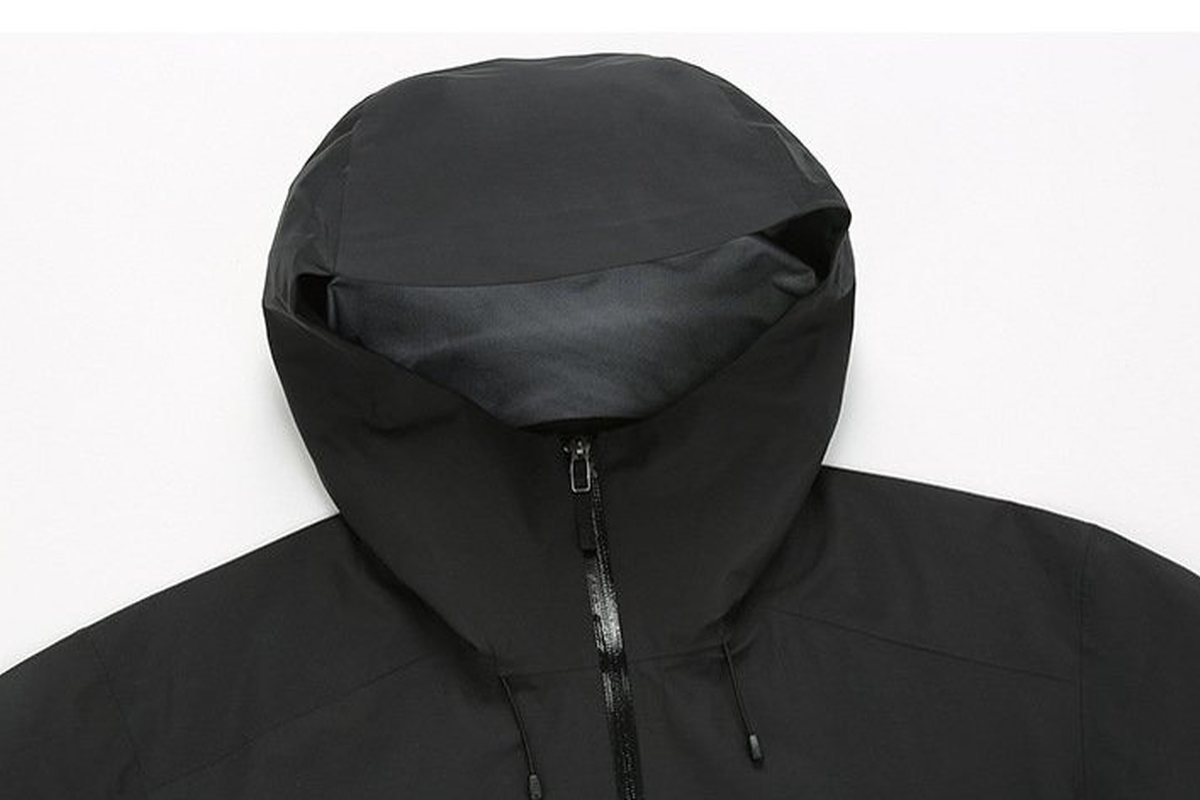
What Is Water Column Rating?
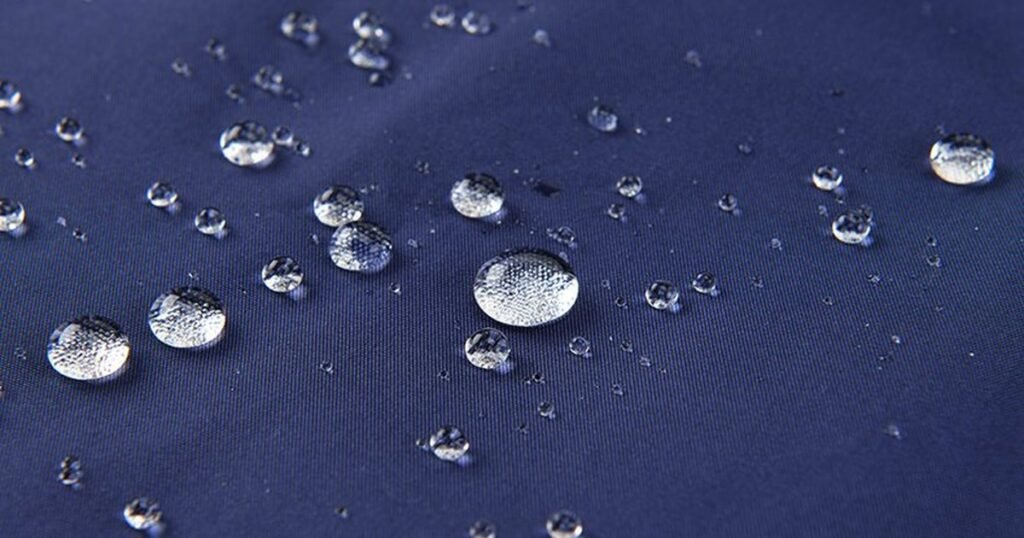
The water column waterproof rating expresses how many millimeters of water pressure a fabric can resist before the first three drops penetrate. A 10,000 mm rating means the fabric withstood a 10-meter-tall column of water in lab conditions. This metric applies to the membrane or coating layer, not the entire garment construction.
Hydrostatic Pressure in Real-World Terms
A person kneeling on wet ground exerts roughly 7,000 mm of localized pressure on fabric contact points. Sitting in rain generates approximately 2,000 mm. Walking in steady rain without wind rarely exceeds 2,000 mm, but storm-driven rain against a jacket chest or shoulders can reach 8,000 mm. Backpack straps and hip belts concentrate pressure, raising effective load on those zones to 10,000 mm or more.
Rating vs. Water Resistance Claims
Marketing terms blur the distinction. Water-resistant fabrics typically rate below 5,000 mm and repel light drizzle but soak through in sustained rain. Rainproof or waterproof labels imply 5,000 mm minimum, though no universal standard enforces the terminology. Brands targeting serious outdoor use specify the exact millimeter rating and cite ISO 811 to avoid ambiguity.
ISO 811 Hydrostatic Head Test
ISO 811 defines the laboratory procedure for measuring water column ratings. A fabric sample is clamped horizontally beneath a graduated tube. Water fills the tube at a controlled rate, increasing hydrostatic pressure on the fabric. Inspectors record the water height when the third drop penetrates the underside. The test runs at 23°C ± 2°C and 50% ± 5% relative humidity.
Test Parameters and Variability
Two pressure rates are common: 10 cm/min (Method A) and 60 cm/min (Method B). Method A suits coated fabrics; Method B suits tightly woven textiles. Results can vary by 500-1,000 mm between methods on the same sample. Reputable manufacturers state which method they used. Testing five samples from one roll and averaging the results reduces variability.
Regional Standard Differences
The United States references AATCC 127, which measures in pounds per square inch (psi) rather than millimeters. One psi equals approximately 703 mm of water column. European and Asian factories default to ISO 811 millimeter ratings. Corporate uniform buyers sourcing globally should confirm which standard the supplier quotes to avoid unit-conversion errors in specifications.
Minimum Rating Thresholds by Activity
Choosing a water column rating depends on garment use case, exposure duration, and cost constraints. The table below maps common activity categories to recommended minimums.
Pressure Points and Localized Failure
Shoulders, seat, and knees experience higher effective pressure than the rated fabric can withstand when combined with abrasion. A 10,000 mm jacket may leak at the shoulder seam under a loaded pack even though the membrane itself holds. Reinforcing high-wear zones with 15,000+ mm fabric or adding seam tape prevents localized failure.
Pants vs. Jackets
Rain pants contact wet ground and vegetation more than jackets. Specifying a 15,000 mm membrane for pants while using 10,000 mm for jackets balances cost and performance. School uniform programs often skip waterproof pants entirely, focusing budget on a durable 10,000 mm jacket shell.
Water Column vs. Breathability Trade-Offs
Higher water column ratings correlate with thicker, denser membranes that restrict moisture vapor transmission. MVTR (measured in grams per square meter per 24 hours) quantifies breathability. A 20,000 mm membrane might deliver 8,000 g/m²/24h MVTR, while a 10,000 mm membrane achieves 15,000 g/m²/24h.
Microporous vs. Monolithic Membranes
Microporous membranes (e.g., expanded PTFE) use billions of tiny pores smaller than water droplets but larger than water vapor molecules. They achieve high MVTR but lose performance when contaminated by body oils or dirt. Monolithic membranes (e.g., polyurethane or polyester) have no pores; vapor diffuses through the polymer matrix. They maintain waterproofing longer but breathe less efficiently at rest.
Activity Level and Ventilation Strategy
Static or low-output activities (photography, belaying, commuting) tolerate lower MVTR because the wearer generates less perspiration. High-output activities (trail running, ski touring) demand either high MVTR or mechanical ventilation. Without pit zips, a 20,000 mm jacket traps humidity and feels clammy during aerobic effort, a complaint frequently cited on outdoor gear forums.
Our OEM jacket manufacturing process includes pit-zip and underarm-gusset options on hardshell and ski jacket styles, allowing brands to specify ventilation features that compensate for lower breathability in high-waterproof-rating fabrics.
DWR Coatings and Seam Sealing
The water column rating measures the membrane or coating layer in isolation. A garment’s real-world waterproofing depends equally on the durable water repellent (DWR) finish applied to the face fabric and on seam construction.
How DWR Affects Membrane Performance
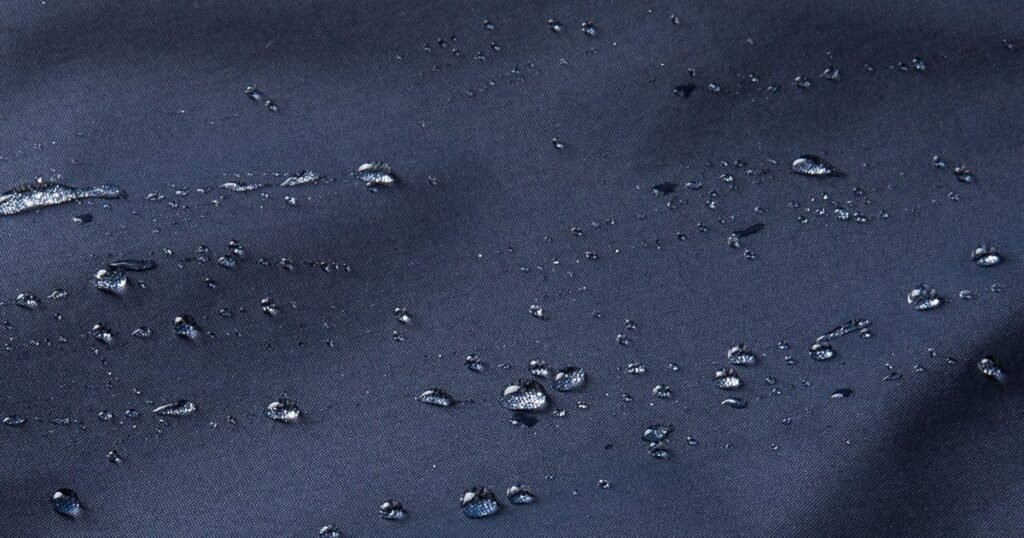
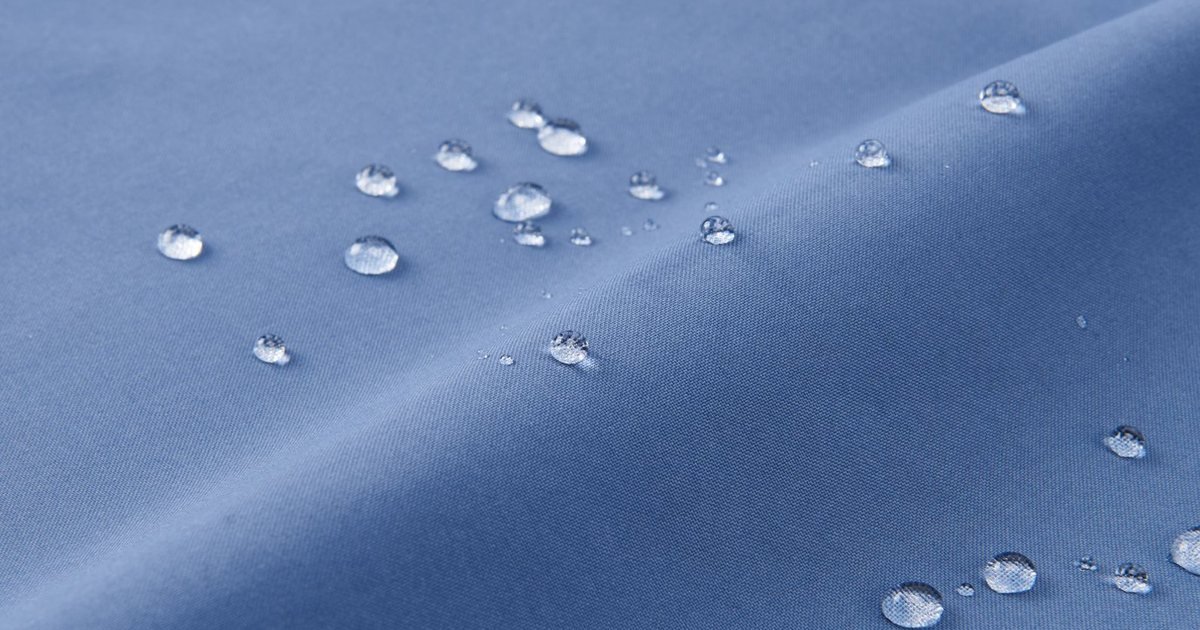
DWR causes water to bead and roll off the outer fabric. When DWR wears away, the face fabric absorbs water (wets out), creating a continuous moisture path that blocks vapor transmission through the membrane. The jacket remains technically waterproof by lab test but feels wet and clammy because sweat cannot escape. One outdoor forum user reported that breathable rain jackets are not permanently waterproof specifically because DWR degrades over time.
PFC-Free DWR Durability
Traditional C8 fluorocarbon DWR offered superior longevity but raised environmental and health concerns. PFC-free DWR formulations (C0) meet sustainability goals but require more frequent re-treatment. Brands launching in Europe face stricter PFAS regulations; specifying PFC-free DWR and educating customers on re-proofing maintenance prevents warranty claims. PTOUTWEAR applies PFC-free DWR as standard on softshell and hardshell jackets, certified by SGS testing.
Seam Sealing Methods
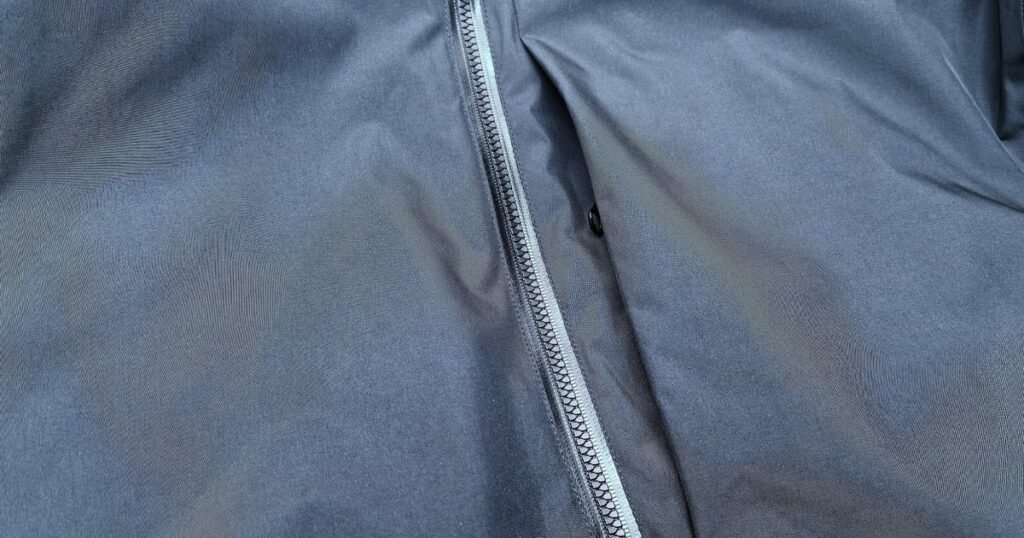
Needle holes in stitched seams create leak paths regardless of fabric rating. Taped seams use heat-activated polyurethane tape applied over stitching to seal holes. Welded seams bond fabric layers with ultrasonic or RF energy, eliminating thread entirely. Fully taped construction adds $2-4 per jacket in labor and material cost but is non-negotiable for garments claiming waterproof performance above 10,000 mm.
Choosing the Right Rating for Your Product Line
Balancing water column rating, breathability, cost, and target customer expectations requires mapping your product positioning to realistic use scenarios.
Cost-per-Performance for DTC Brands
A 10,000 mm / 10,000 g MVTR 2-layer membrane costs approximately $3.50-5.00 per linear meter at 500-meter minimums. A 20,000 mm / 8,000 g MVTR 3-layer membrane runs $7.00-9.50 per meter. For a DTC brand with $0-500K annual revenue, the price delta multiplied across a 200-unit first production run represents $800-1,200 in fabric cost alone. Testing demand with a 10,000 mm style before investing in 20,000 mm reduces financial risk.
In practice: A Pacific Northwest outdoor brand founder ordered 1-piece samples of a 10K mm rain jacket and a 15K mm version, field-tested both in Oregon winter conditions, then placed a 30-unit-per-SKU order for the 10K style after validating that their urban-commuter customer base prioritized breathability over storm-grade waterproofing.
Corporate and School Uniform Considerations
Corporate team gear and school uniform programs prioritize durability and cost over performance. A 10,000 mm jacket with reinforced elbows and shoulders satisfies “waterproof” claims for staff working outdoors in moderate climates. Specifying 15,000 mm fabric only in high-wear zones (yoke, forearms) controls cost while addressing the pressure-point failure risk.
Sustainability and PFAS-Free Compliance
The European Union is phasing out PFAS chemicals, including long-chain fluorocarbons in DWR treatments. Brands selling into EU markets after 2025 must verify PFC-free certification. High water column ratings (20,000+ mm) historically relied on fluoropolymer membranes; newer polyester and polyurethane alternatives achieve 15,000-20,000 mm without PFAS but may sacrifice some breathability. Requesting lab reports that confirm both ISO 811 rating and OEKO-TEX Standard 100 compliance (which screens for harmful substances) protects your brand from regulatory and reputational risk.
PTOUTWEAR holds SGS certification for PFC-free DWR application and can provide ISO 811 test reports on request. Our sample development service includes pre-production testing so you validate fabric performance before committing to bulk orders.
Regional Climate Matching
Brands serving the UK, Pacific Northwest, or Scandinavia face prolonged drizzle rather than intense downpours. A 10,000-15,000 mm rating with excellent DWR durability outperforms a 20,000 mm membrane with mediocre face-fabric treatment. Conversely, alpine and ski markets demand 20,000+ mm to handle wet snow and storm conditions. Mapping your target geography to realistic weather exposure prevents over-specifying (wasting margin) or under-specifying (generating returns).
Key Takeaways
- ISO 811 hydrostatic head testing measures water column height in millimeters before fabric leaks, with Method A (10 cm/min) and Method B (60 cm/min) producing results that can vary by 500-1,000 mm on the same sample.
- A 10,000 mm water column rating serves as the baseline threshold for “waterproof” claims in outdoor retail, suitable for day hiking and moderate rain exposure.
- Backpack shoulder straps and hip belts concentrate localized pressure to 10,000+ mm, often exceeding the rated fabric capacity and causing leaks at seams if not reinforced or taped.
- Microporous membranes deliver higher MVTR (15,000+ g/m²/24h) but lose breathability when contaminated, while monolithic membranes maintain waterproofing longer at the cost of lower vapor transmission.
- PFC-free DWR formulations meet European PFAS regulations but require more frequent re-treatment than traditional C8 fluorocarbon finishes, making customer education on maintenance critical for warranty management.
- PTOUTWEAR offers 1-piece sample orders and a 30-piece-per-SKU bulk minimum, allowing DTC brands to validate water column performance and fit before scaling production.
FAQ
What is the minimum water column rating for a waterproof jacket?
A fabric rated 5,000 mm meets basic water-resistance claims, but 10,000 mm is the recognized baseline for “waterproof” performance in outdoor retail. This threshold handles moderate rain and light backpack pressure. Jackets intended for extended exposure or heavy-duty use should specify 15,000-20,000 mm, especially in high-wear zones like shoulders and elbows.
Is 10,000 mm water column enough for heavy rain?
A 10,000 mm rating withstands steady rain without wind-driven pressure. Storm conditions or prolonged exposure with a loaded backpack can exceed this threshold at contact points, causing localized leaks. For heavy rain combined with high activity or multi-day trips, 15,000 mm provides a safer margin. Taped seams and functional DWR are equally important.
What does the ISO 811 water column test measure?
ISO 811 measures the height of a water column (in millimeters) that a fabric can support before the first three drops penetrate the underside. A sample is clamped beneath a graduated tube, and water is added at a controlled rate (10 cm/min or 60 cm/min). The test quantifies hydrostatic pressure resistance under lab conditions at 23°C and 50% humidity.
How is hydrostatic head different from breathability rating?
Hydrostatic head (water column rating) measures waterproofing, while breathability is quantified by MVTR (moisture vapor transmission rate) in grams per square meter per 24 hours. A high water column rating often correlates with lower MVTR because denser membranes restrict vapor flow. Garments need both metrics balanced to avoid feeling clammy during activity.
Does a higher water column rating mean less breathability?
Generally yes. Membranes engineered for 20,000+ mm water column ratings are thicker and denser, which reduces MVTR compared to 10,000 mm fabrics. Microporous membranes maintain better breathability at high ratings but are more sensitive to contamination. Brands can offset lower breathability by adding pit zips, mesh-lined vents, or back ventilation panels.
Ready to specify the right water column rating for your jacket line?
Request 1-Piece Samples →
Written by Ivan Chen, Sales Engineer at PTOUTWEAR – 13 years in outdoor apparel manufacturing.