Direct answer
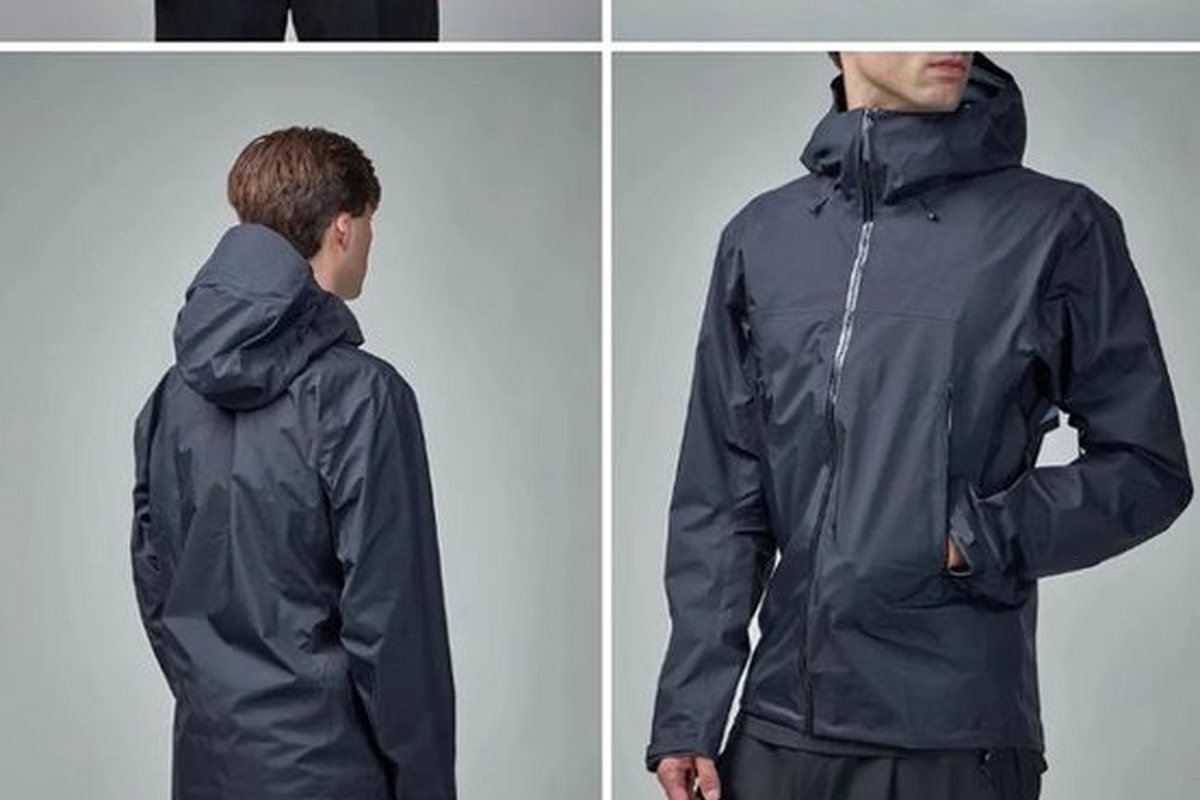
For most private-label rain jackets, 8,000–12,000 mm (ISO 811 hydrostatic head) is the right waterproof spec — it survives sustained rain while keeping fabric and lamination costs sane. Go lower (3,000–5,000 mm) only for budget urban commuter shells sold under $60 retail; go higher (15,000–20,000 mm, fully taped) only for technical mountain, ski, or alpine products. Pairing the rating with critically or fully taped seams matters more than chasing a big number — an untaped 20K shell leaks at the seams, while a 10K jacket with fully taped seams stays dry.
What the “mm” number actually means
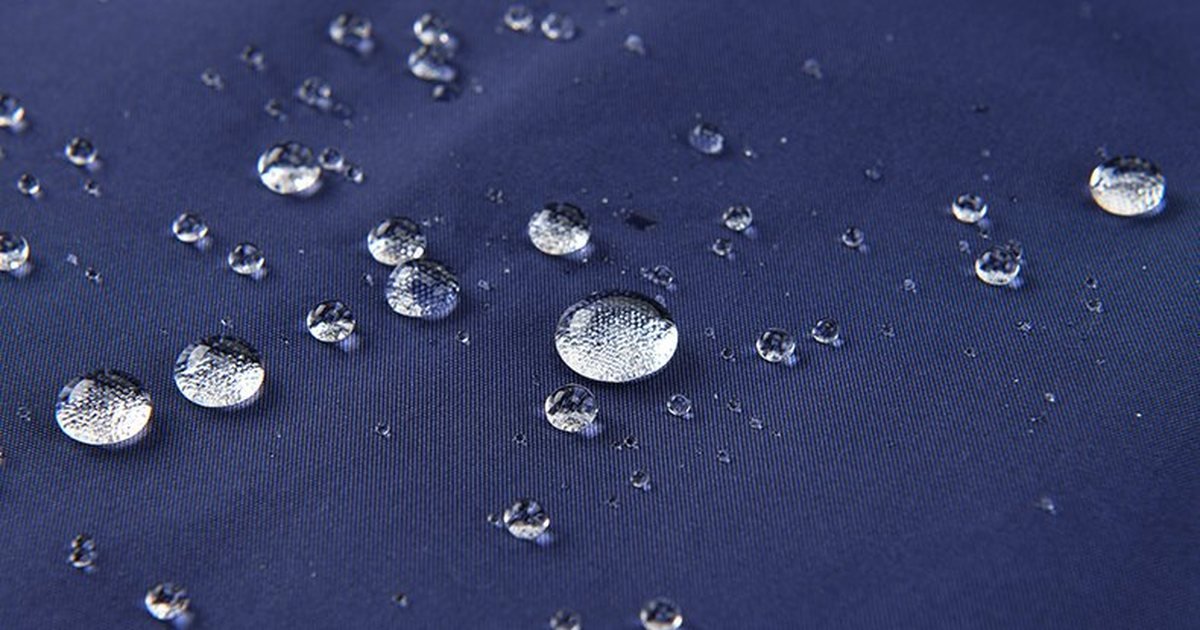
Waterproof rating is measured as hydrostatic head under ISO 811: the height of a water column (in mm) the fabric holds back before water penetrates. 10,000 mm means the fabric resists a 10-meter column of water. Higher = more waterproof, but also heavier coating/lamination, worse breathability, and higher cost. It is a trade-off, not a “bigger is better” dial.
Match the rating to the end use, not the marketing
| Use case | Waterproof rating | Construction | Retail price band |
|---|---|---|---|
| Urban commuter / fashion shell | 3,000–5,000 mm | PU-coated Oxford, critically taped | $40–60 |
| Everyday outdoor / hiking | 8,000–12,000 mm | 2.5L laminate, critically or fully taped | $80–150 |
| Technical mountain / ski / alpine | 15,000–20,000 mm | 3L laminate, fully taped, PFC-free DWR | $180–300 |
The over-spec trap: waterproofing and breathability are a physical trade-off. A denser membrane blocks more water but vents sweat worse. Put a 20K shell on a commuter jacket and the wearer stays dry outside but damp inside from trapped sweat. For city and light-outdoor use, 8K–12K mm with 6,000–8,000 g/m²/24h breathability covers almost all real rain.
Seams decide whether the number is real
A high hydrostatic head on the fabric means nothing if water enters through needle holes at the seams.
- Fully taped seams — every seam hot-air taped; required for true 100% waterproof shells, hoods, and rainwear.
- Critically taped seams — main seams only; hits a lower price point while keeping real protection for everyday rain.
Always spec seam construction alongside the mm rating. “Waterproof fabric” + untaped seams = a jacket that leaks in the first storm.
Get lab data, not adjectives
“Water-resistant” and “waterproof” are marketing words until a test report backs them. Ask your manufacturer for ISO 811 hydrostatic-head reports per fabric batch and, for regulated markets (EU/US), PFAS-free / fluorine-free DWR with REACH or OEKO-TEX evidence. France’s 2026 PFAS textile ban and the EU restriction in progress make fluorine-free DWR the safe default for private-label lines shipping to Europe.
Prove the spec before you commit to bulk
The cheapest way to de-risk a private-label rain jacket is to sample one unit at your target spec and rain-test it before ordering bulk. Confirm the hydrostatic head, check the taped seams, and wear-test breathability.
PTOUTWEAR builds custom rain jackets across all three tiers — 5K–15K mm verified waterproof, fully or critically taped seams, PFC-free DWR on request, with a 30-piece MOQ and 1-piece sampling so you can prove the waterproofing on a single unit first. See spec tiers and request a sample on our custom rain jacket manufacturing page, or review our testing and certifications.
Frequently asked questions
What is the minimum waterproof rating for a rain jacket?
Around 3,000–5,000 mm for light urban rain; 8,000 mm and up for anything worn in sustained rain or outdoor activity.
Is 10,000 mm waterproof enough for a private-label rain jacket?
Yes — 10,000 mm with taped seams handles everyday and hiking rain and is the sweet spot for most private-label lines on cost, weight, and breathability.
Do I need fully taped or critically taped seams?
Fully taped for technical/alpine and any “100% waterproof” claim; critically taped is fine for everyday rainwear at a lower cost.
What waterproof rating should a ski jacket be?
15,000–20,000 mm, fully taped, for wet-snow and alpine conditions.